



What is a Fiber Laser?- A brief overview
From: 本站 Date: 16th March 2023 Author: SENYOQC Views: 3159

Fiber lasers is that they can perform various functions that are key to industrial manufacturing with high precision and accuracy. The most important one Laser Cutting ,one of the fundamentals.
The continuous wave (CW) Yb3+ doped fiber lasers are the most common in Laser Cutting machines as they are extremely powerful. A 01 µm fiber laser cutting
machine can cut through high-strength steel easily. Not to mention most
of the other metals and alloys.
Unlike traditional cutting
machines with some mechanical cutter bound to wear off, these lasers
don’t have such consumables. Hence, low maintenance saves energy, cost,
and time in cutting processes. This can increase the profit margin for
any industry.
Laser cutting is everywhere, from small-scale
businesses to the giant automotive and aerospace industry. Fiber lasers
are also inherently suitable for micromachining, done on a micro-scale.
Thus, truly making it the face of modern manufacturing processes.
How Does the Fiber Laser Cutting Machine Work?
Fiber laser cutters use thermal cutting to cut through various metals and non-metals. It involves the following steps.
First, a high-intensity laser beam is shot from the laser generator to the workpiece. The laser beam usually reaches a high temperature close to 10000-11000 ℃ (19500 ℉), enough to melt or vaporize any material.
The details of the location and shape of the cut are fed through a numeric control system that guides the laser.
As the laser comes in contact with the material, it quickly melts or gasifies it, and pressurized auxiliary gas is blasted to the point of contact, which removes the debris.
The process continues until the desired shape is achieved.
Laser
cutting machines come in many shapes and sizes, but the phenomenon
behind their principal working is the same. Here are some of the crucial
components of a laser cutting machine.
1. Machine Laser Source
The laser source is the heart of any laser-cutting machine. A separate unit usually creates a laser fed to the cutting head. Research shows that ytterbium Yb3+ doped fiber laser produces high-intensity lasers ranging from 900 nm to 1200 nm. Having a wide range of wavelengths means various materials can absorb the laser.
This source is excellent for
cutting High Strength, Carbon, Alloy, etc. It can = produce more than 10
KW of power that is intense enough to cut through thin plates (<5
mm) as well as 5 mm-40mm
However, thulium Tm3+ and holmium Ho3+ doped fiber laser sources can cut non-metal and transparent materials. The source unit is attached to the main unit through heavy-duty connectors, amplifier plugs, encoder plugs, etc.
2. Electrical components and Numeric Control System
The
numeric control and the electronics are what you may call the “brains”
of laser cutting machines. The main components are electrical servo
motors, switches, operating systems, etc.
All the data about the characteristics of the laser beam and details of the soon-to-be machined part are entered here.
A led control panel outside the machine
gets data from the operator through computer-aided manufacturing (CAM)
files.
This control system feeds all the data regarding output power, cutting speed, cutting angles, depth of cut, etc.
After that, it
guides the control head and rails during the cutting process. With the
advent of computer numeric control (CNC),
the precision of laser cutting
is increased manifolds, so much so that the only limiting factor of
laser cutting is the driving system.
3. Gantry System and Auxiliary Parts
Every
industrial-sized fiber laser machine has a gantry system, a mechanized
driveway that helps move the laser head in three-dimensional space.
The gantry system comprises rails, chains, and motors that help guide the laser head.
Constant research has been going on to improve the
gantry system for fiber laser to reduce the machine time and improve
efficiency.
Other parts include the working table(work tables)
that holds the workpiece together.
Some fiber laser cutting machines
have large tables that could compensate 12 meters long metal sheets and
carry up to 9 tons of weight.
Many laser cutting machines also have an exhaust system that removes toxic gasses from the enclosure.
4. Fiber Laser Cutting Head
The fiber laser cutting head is a device that shoots a laser onto the workpiece. It has a complex system of mirrors (traditional laser machines) or optical fibers that guide the laser beam through the nozzle.

Nozzles are an important component of the laser head controlling the light beam. Not only does it directs the laser, but it also gives direction to discharge gas that blows off the molten material.
Nozzles can be
adjusted manually and have a lot of influence on the cutting quality.
It’s carefully calibrated before to prevent lack of penetration which
can result in material melting.
Different diameter nozzles are used to
cut various thicknesses.
The laser head is a moving part guided
by a gantry system. Typical, the laser head can move in
three-dimensional space.
But in special cases, laser heads are designed to move at a 45-degree angle, which helps create bevel shape cuts. These metal plates are meant to be welded later on. It saves much money, labor, and time otherwise spent on creating bevels.
Other characteristics regulated by the laser head are beam intensity, beam focus position, cutting speed, cutting feed, gas pressure, etc.
The
right cutting power, speed, and feed can make or break your
manufacturing processes. Just like a traditional mechanical machine, a
laser cutting machine comes with a detailed chart that defines the
characteristics of a laser suitable to a particular material.
The whole working station is shielded by a metallic cover that gives the laser cutting machine an enclosed environment. This protects the laser beam and workpiece from external factors like air and dust. It also protects the human eyes as the invisible rays are hazardous.


• Previous: How To Install & Setup CO2 Laser Engraving Cutting Machine?
• Next: What Is Custom Laser Engraving?
- What's the MOPA Fiber Laser Machine?
- What is the difference between Laser 2D 2.5D 3D machines?
- What Can Laser Marking Machines Do for You?
- What's the differences between Raycus, JPT, Max, and IPG fiber source?
- What Is Custom Laser Engraving?
- What is a Fiber Laser?- A brief overview
- How To Install & Setup CO2 Laser Engraving Cutting Machine?
- How to Install and Use NcStudio Controller & Software for CNC Router Machine?
- A guide to CNC Router Tools and CNC Router Bits
- How to buy a CNC machine?
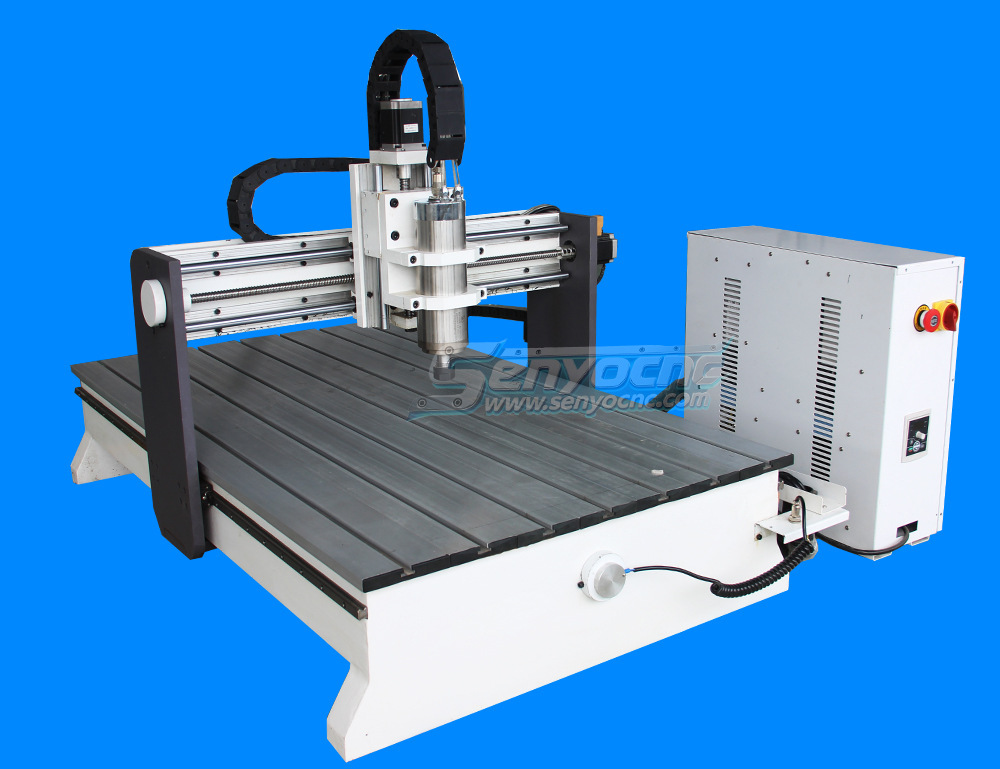
Mini Desktop CNC Router for Gifts Making Small Business
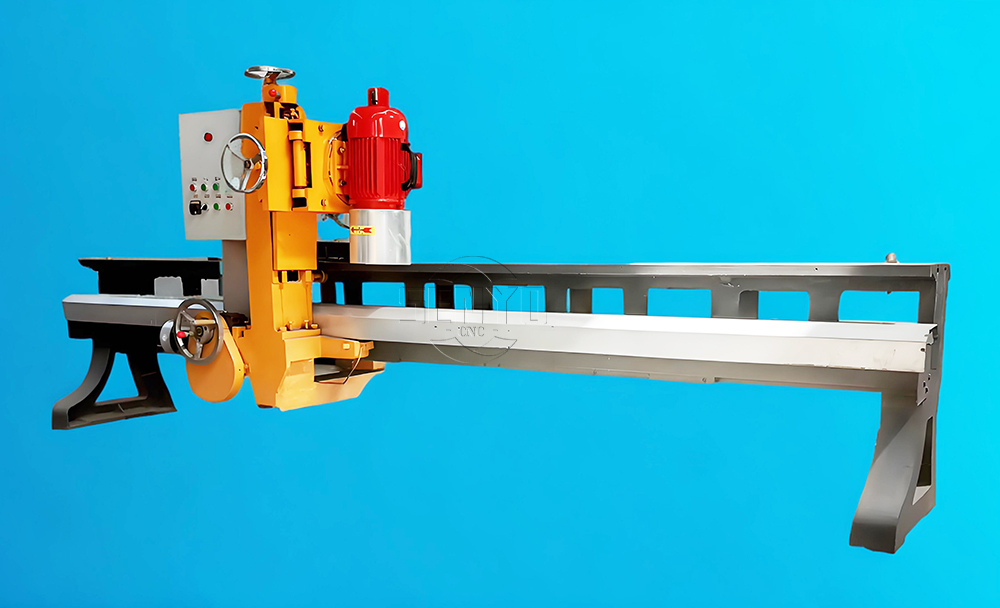
Best Granite marble manual polishing machine For Sale
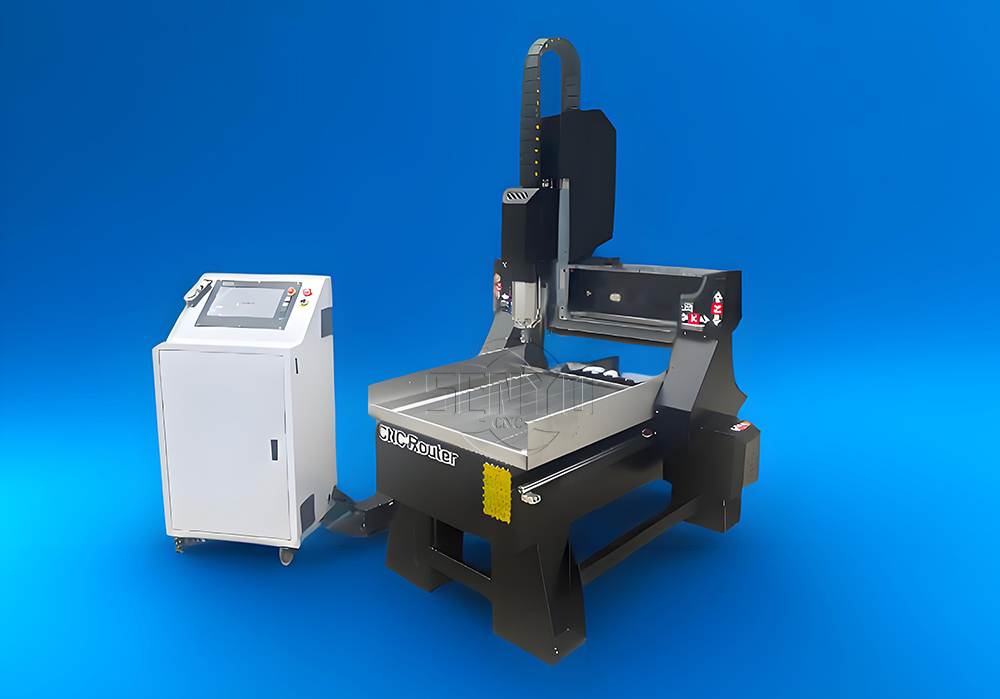
Stone Processing CNC Equipment Automatic Tool Changer CNC Quartz Stone Machining
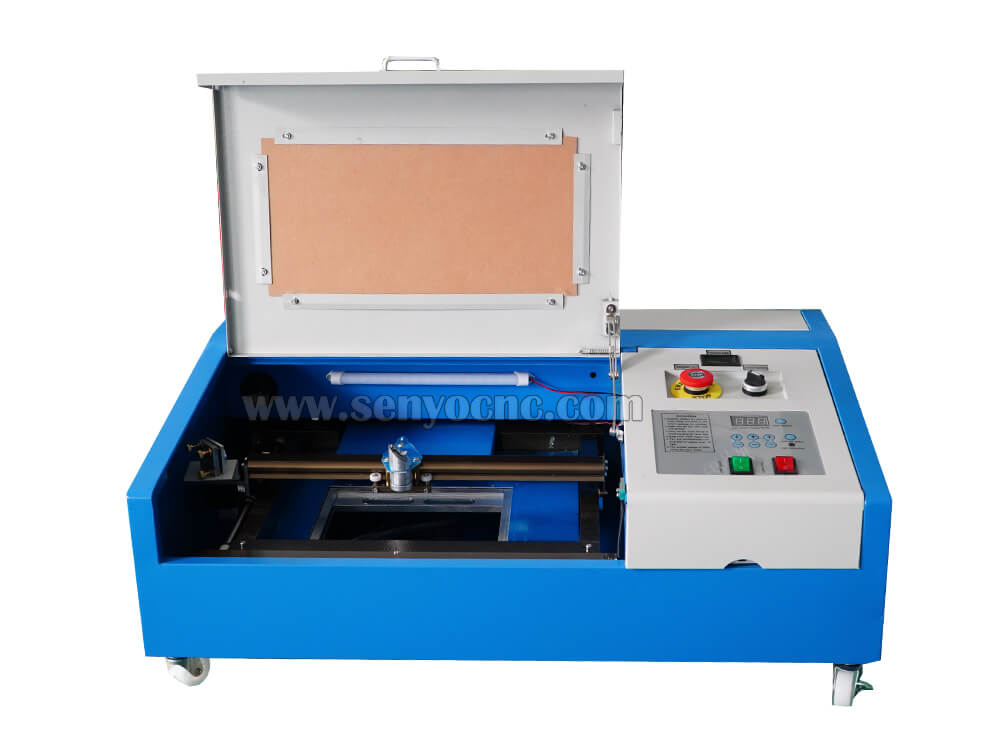
3020 40W Mini CO2 Laser Engraving Cutting Machine
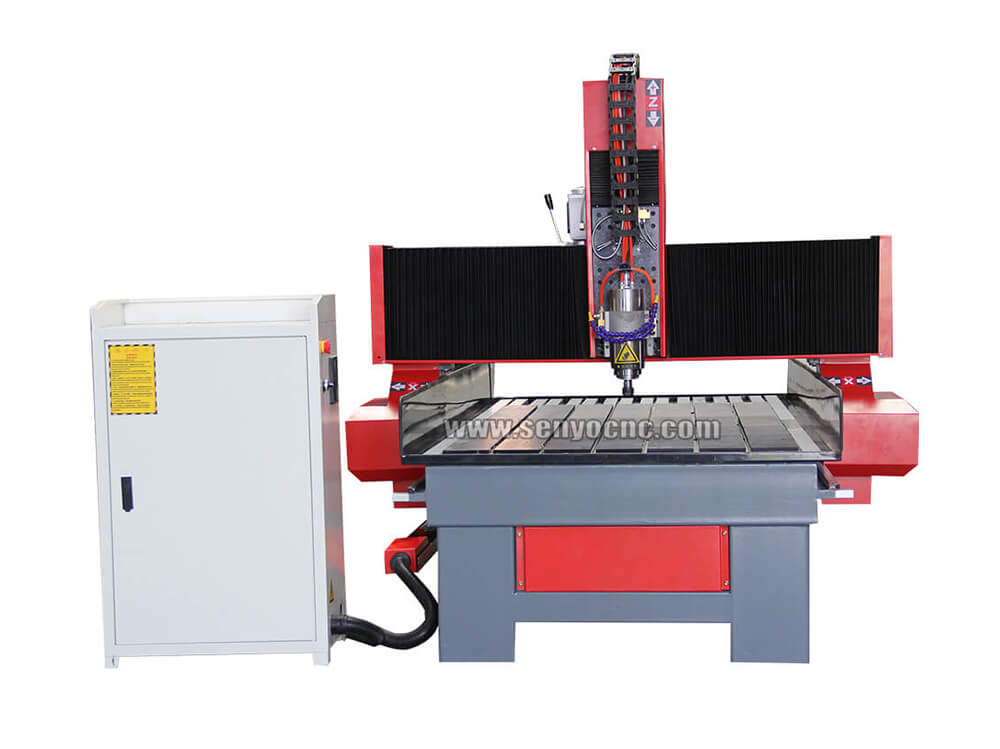
New Design Mini Stone CNC Machine for Marble, Granite and Quartz
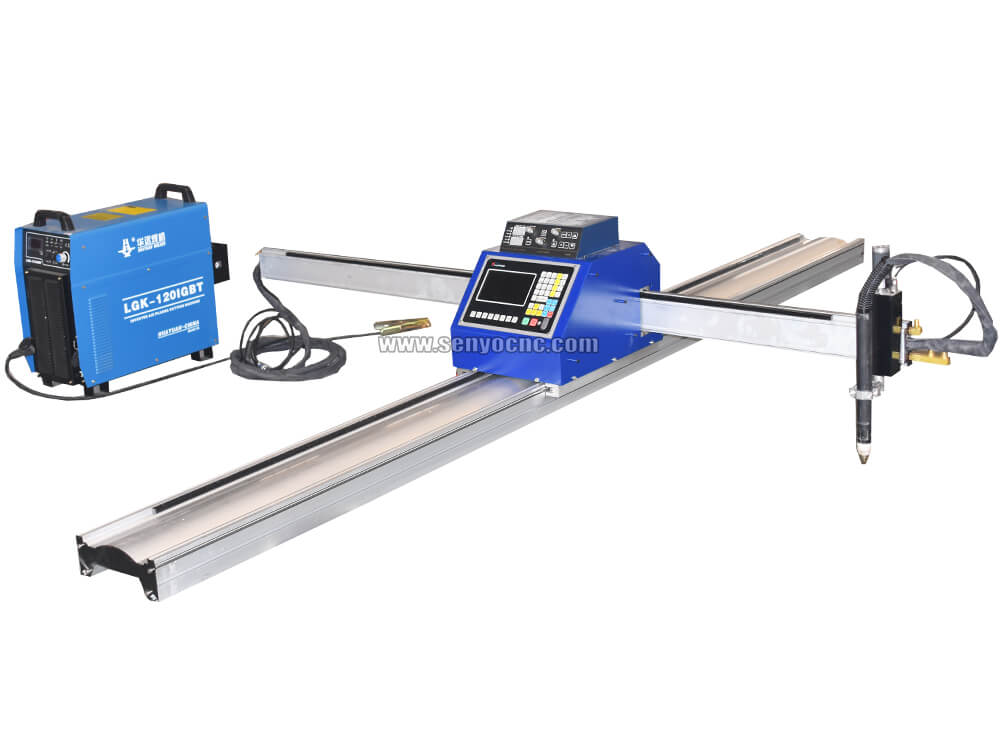
Portable CNC Flame Cutting Machine with Plasma Torch for Sale
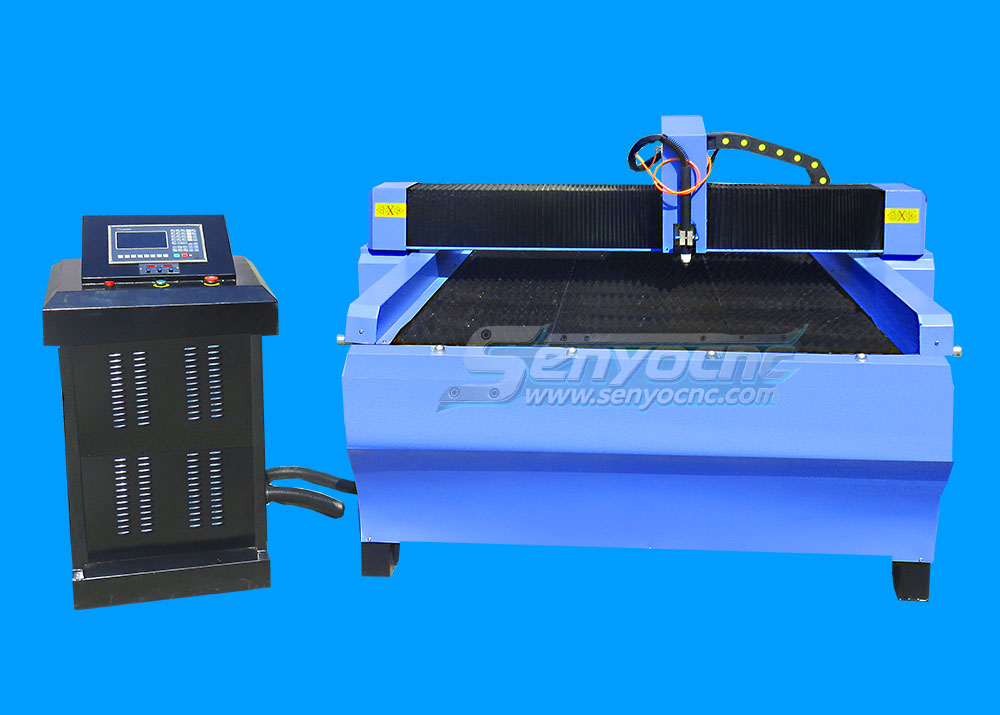
High-Precision Mini Hobby CNC Plasma Cutting Machine for Metal
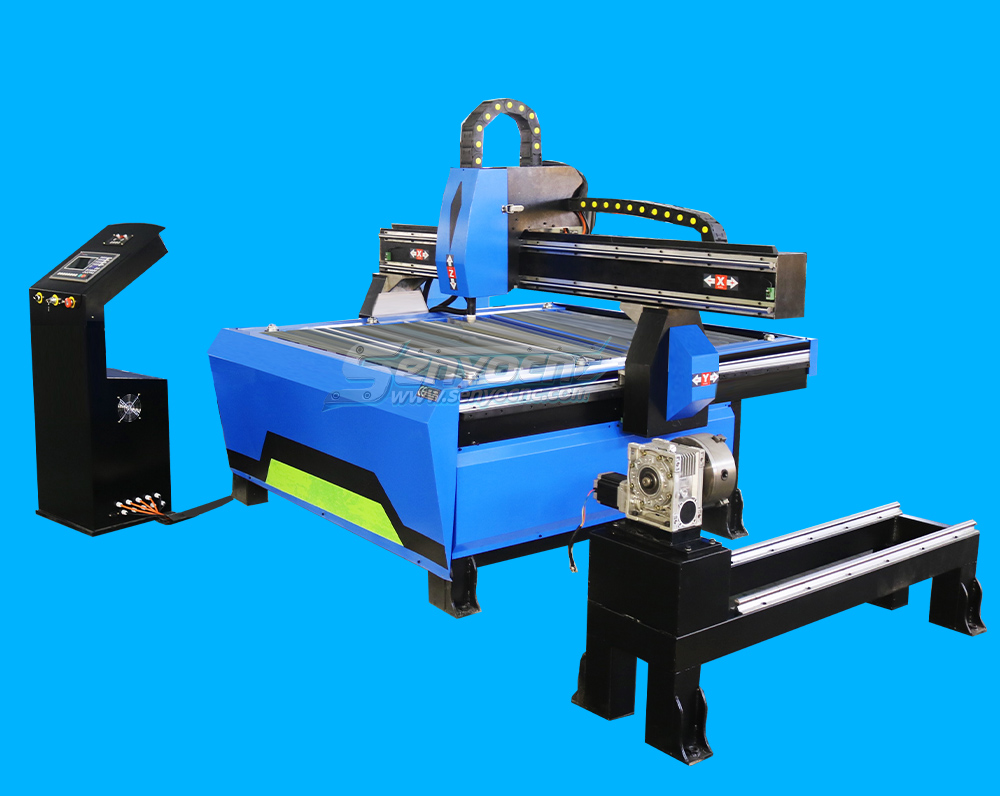
Mini CNC Plasma Cutter With Rotary
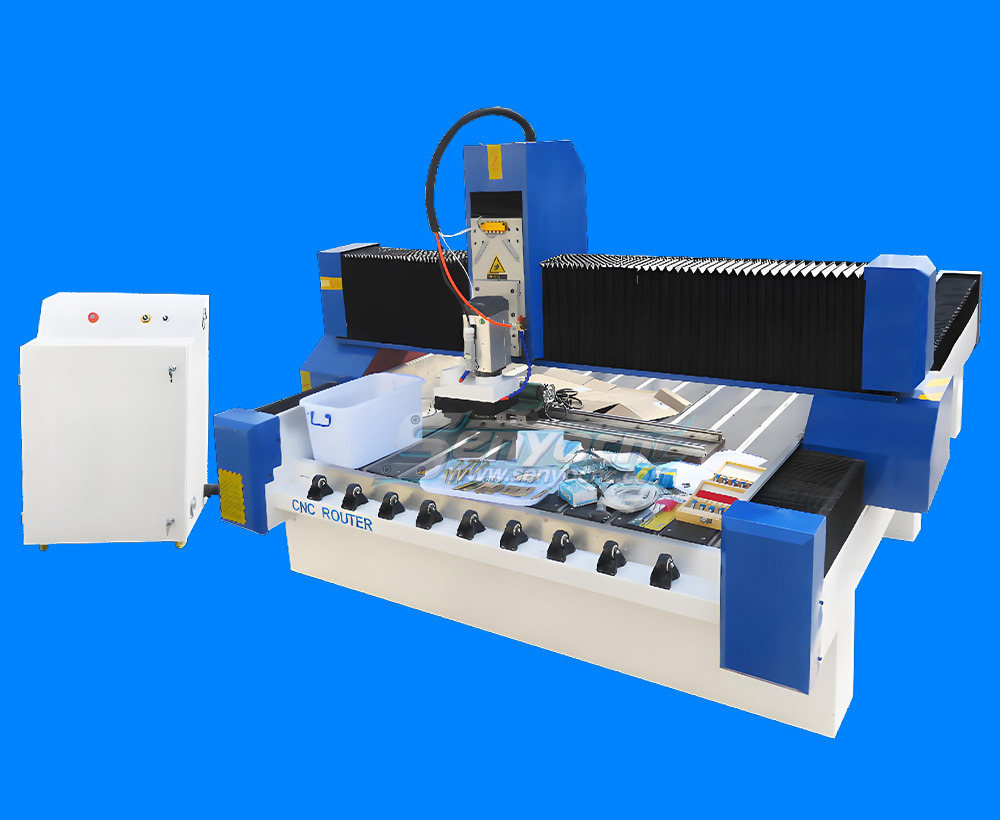
4 Axis 1325 Sculpture Machine Cnc Carving Marble Granite Stone Cnc Router
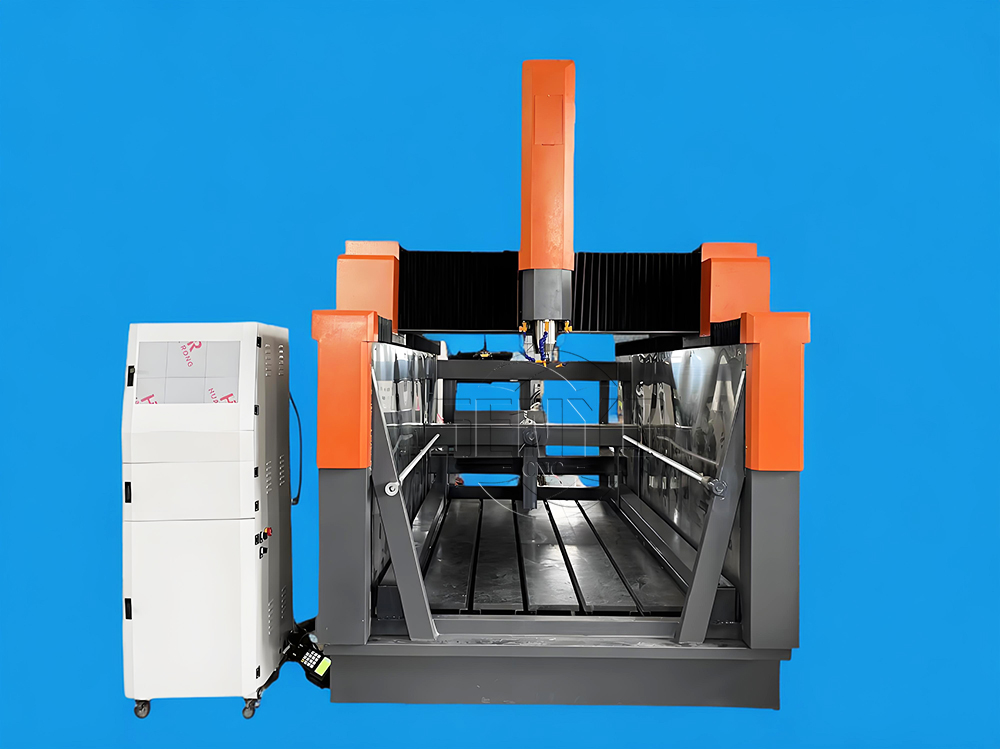
Z Height 1000MM 4-AXIS Stone Engraving CNC Machine Heavy-duty Stone CNC Machine Stone Relief Carving CNC For Sale
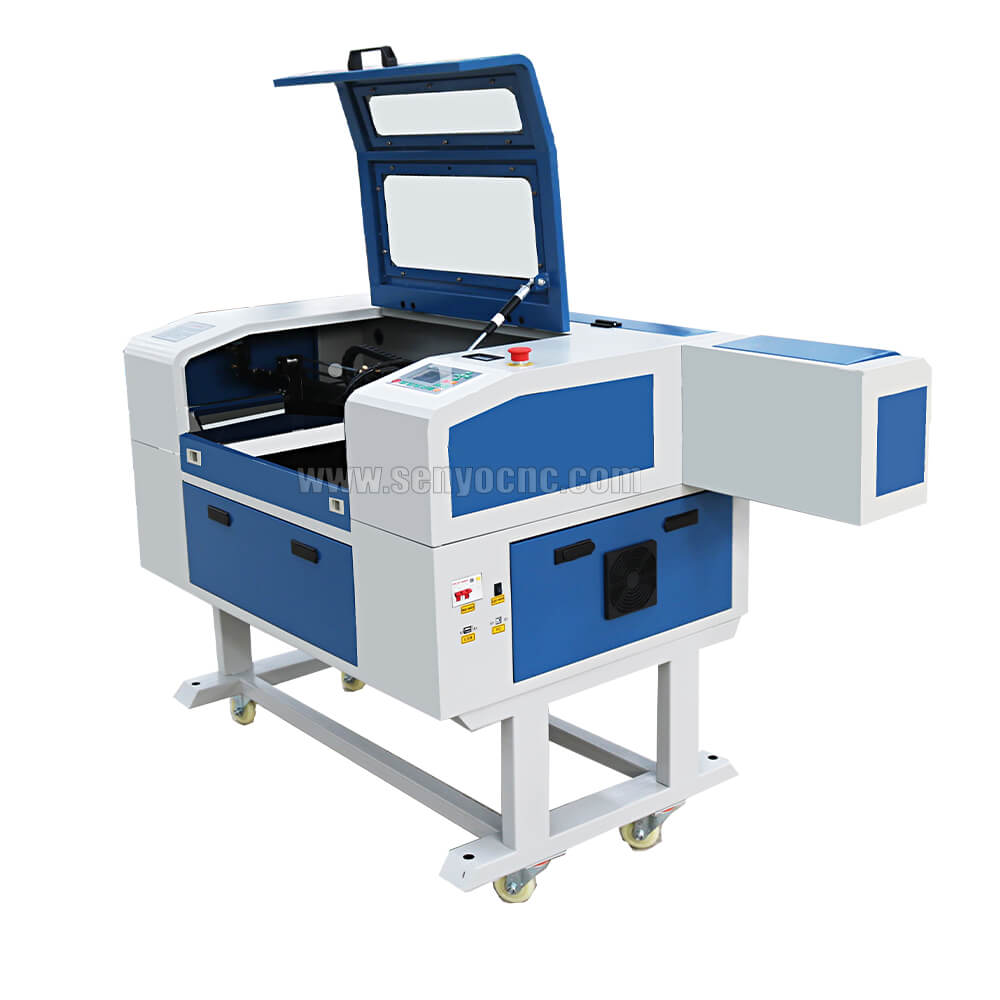
4030 portable mini co2 laser carving and desktop rubber stamp laser engraving machine
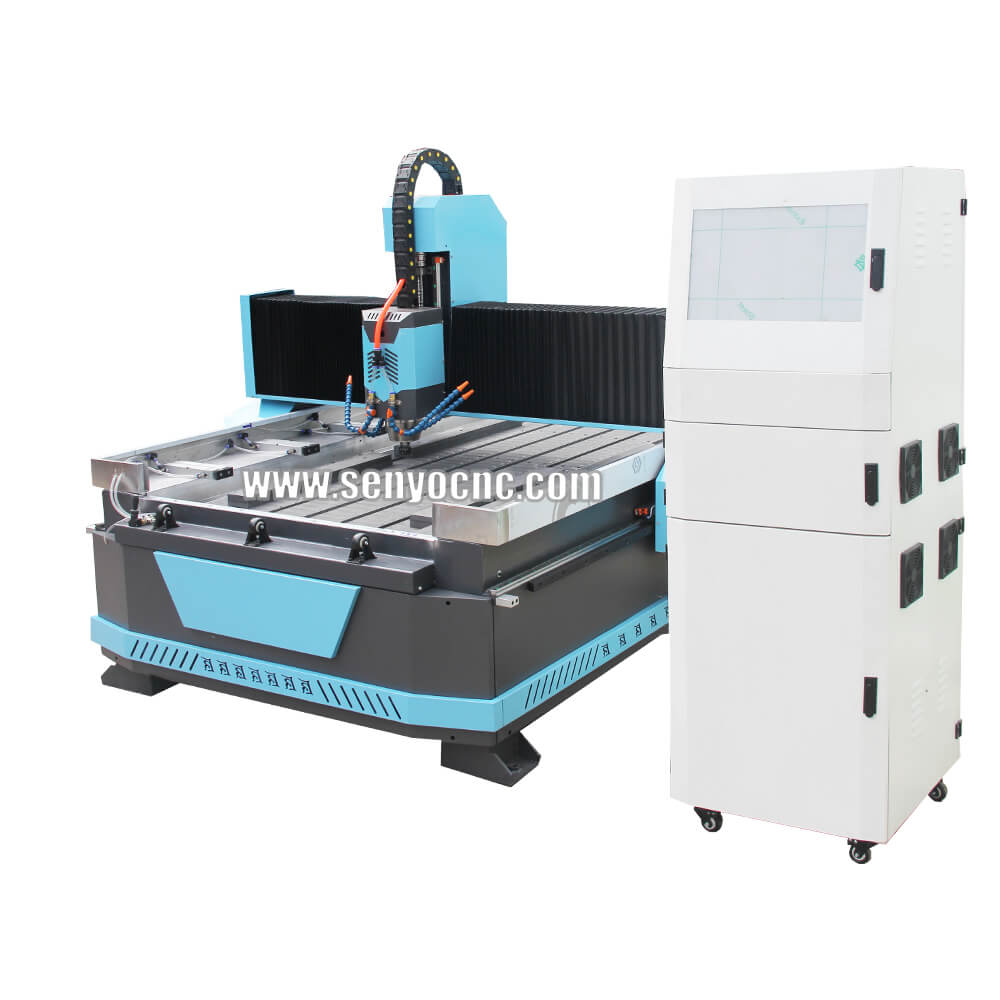
Stone CNC Router For Kitchen sink tile carving and cutting Marble, Granite and Quartz
Robust CNC Plasma Cutting Machines with Flame Cut Head for Heavy-Duty Industrial Use
Small Portable CO₂ Laser Cutter Engraving for DIY & Business – Ideal for Wood, Acrylic, Leather
1325 3 Axis 4x8 CNC Stone Router for Sale
Mini CO2 Laser 5030 Cutting Engraving Machine For Sale
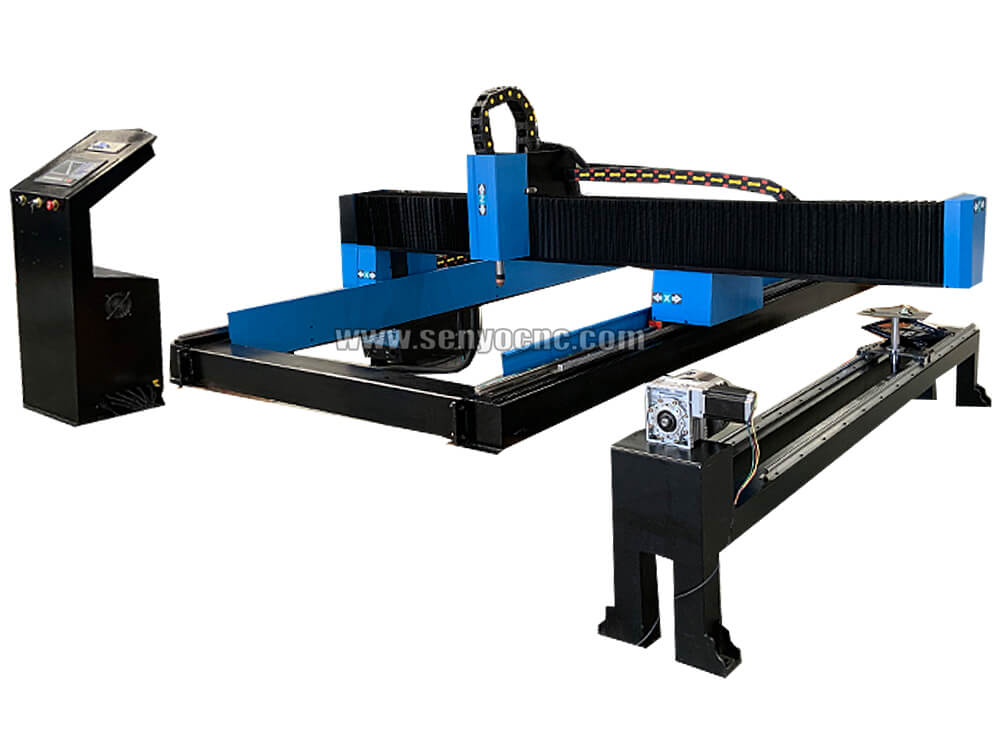
Portable CNC Plasma Flame Cutting Machine for Sale at Cost Price
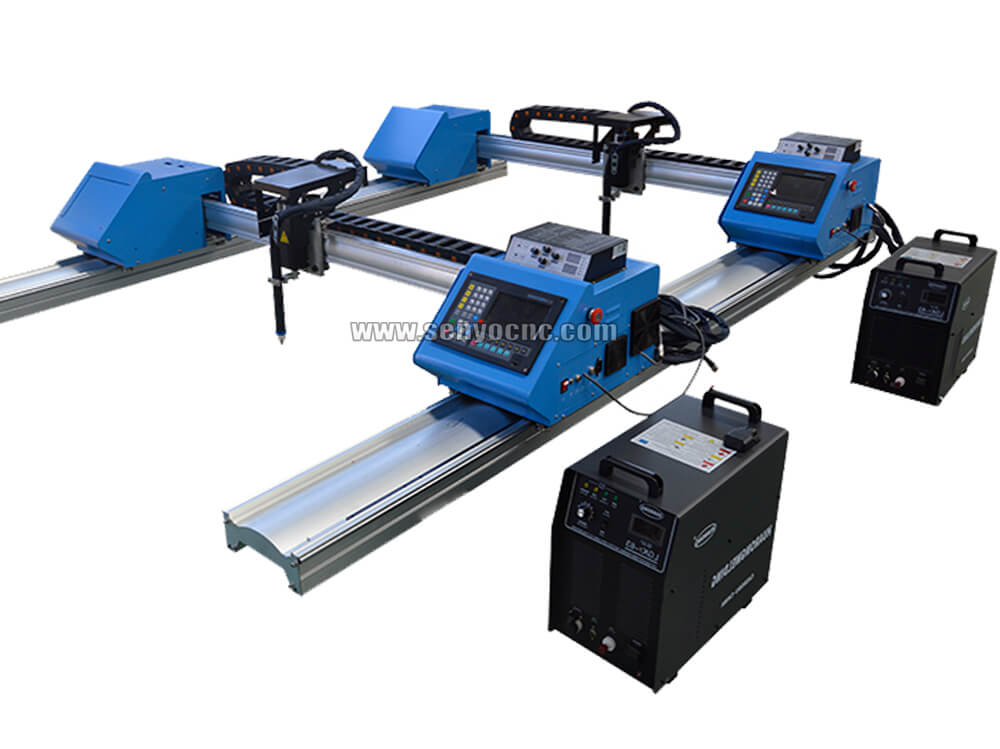
Portable Cnc Plasma Oxyfuel Sheet Metal Cutting Machine for sale
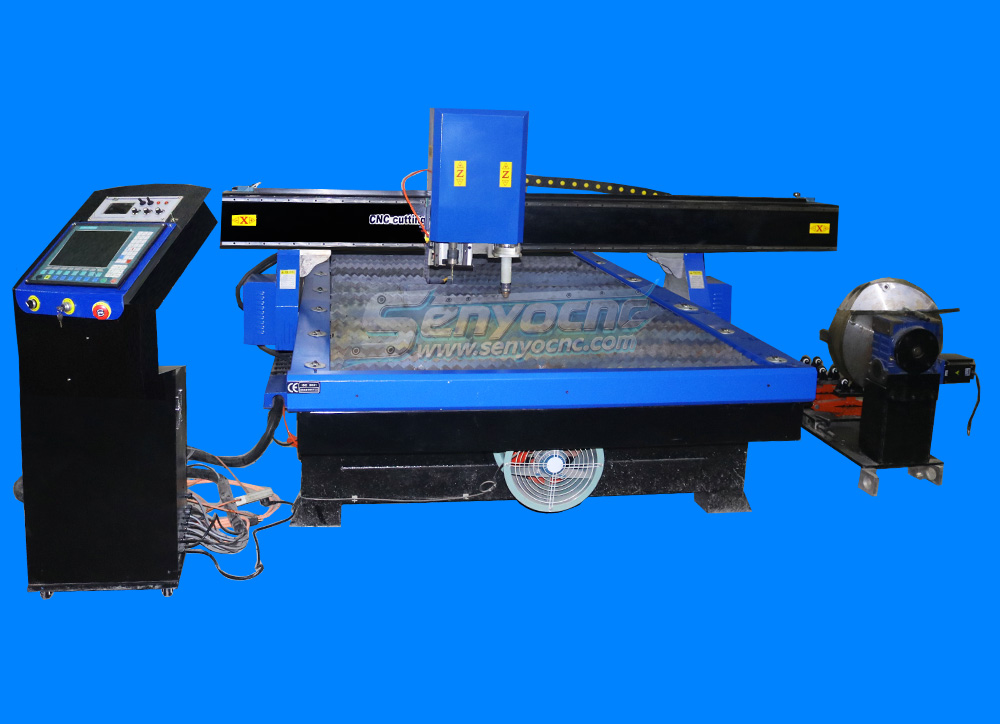
CNC Plasma Cutters for Customized Metalwork –Rotary&Drilling Head
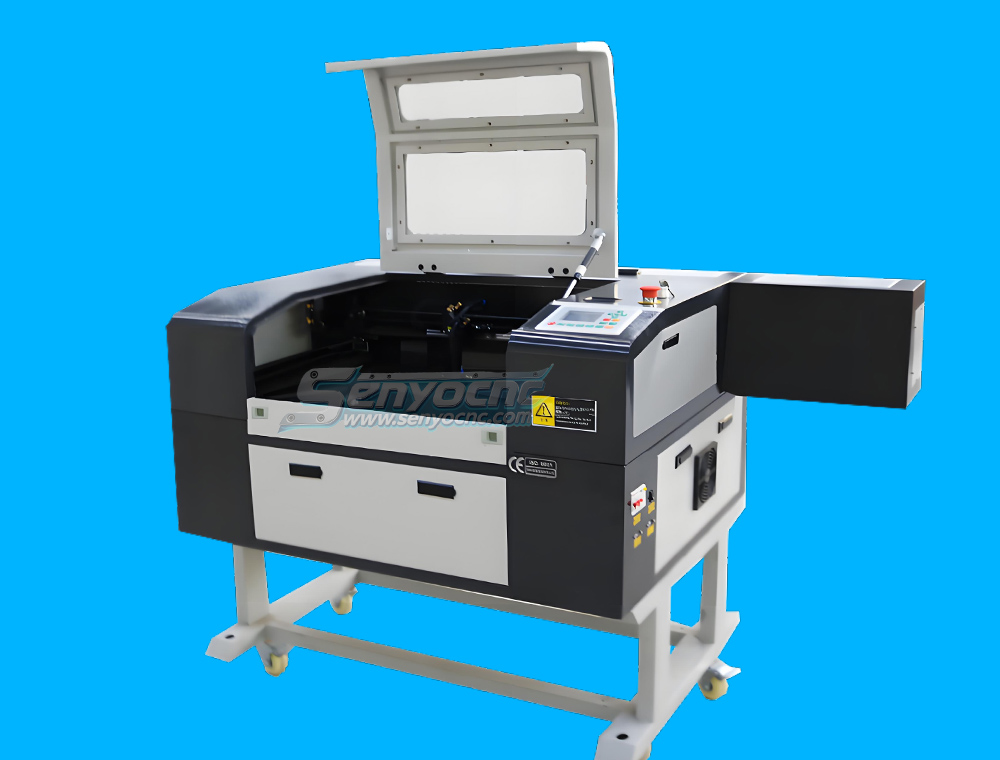
Small Table design 6040 Easy Move CO2 Hobby Laser Cutter Machine for Beginners
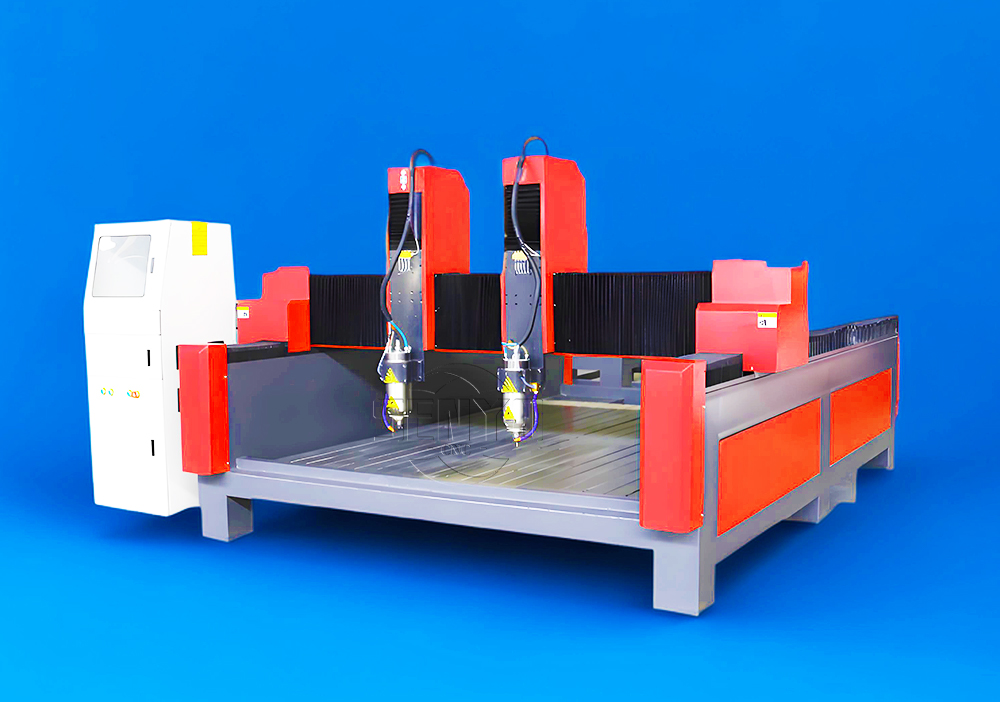
High-Efficiency 2 Heads CNC Machine for Aluminum Stone Marble Engraving & Cutting
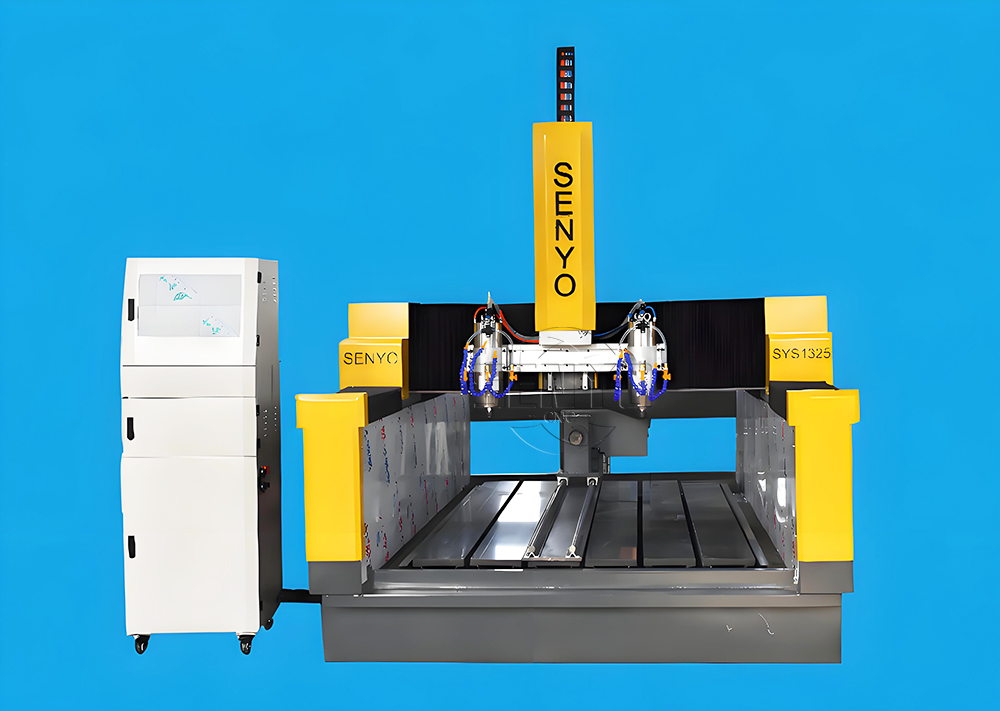
Best CNC 2 Spindle 4-AXIS Stone Carving Machine High-precision Stone Carving Stone Countertop Fabrication
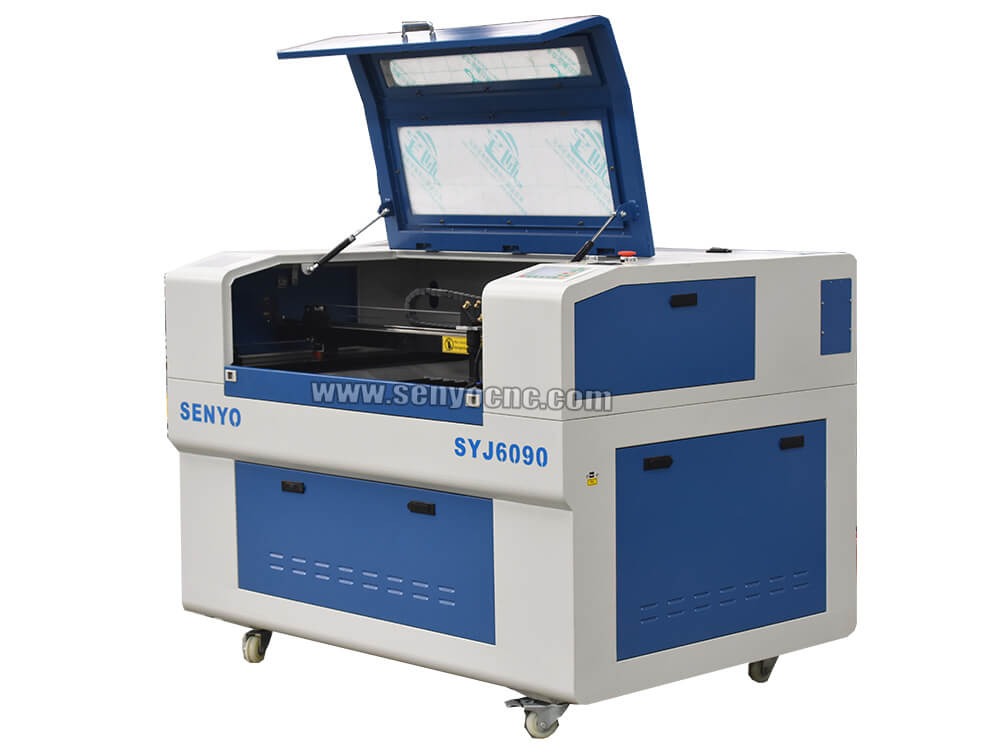
Top Rated 2x3 CO2 Hobby Laser Cutting Machine for Sale at Affordable Price
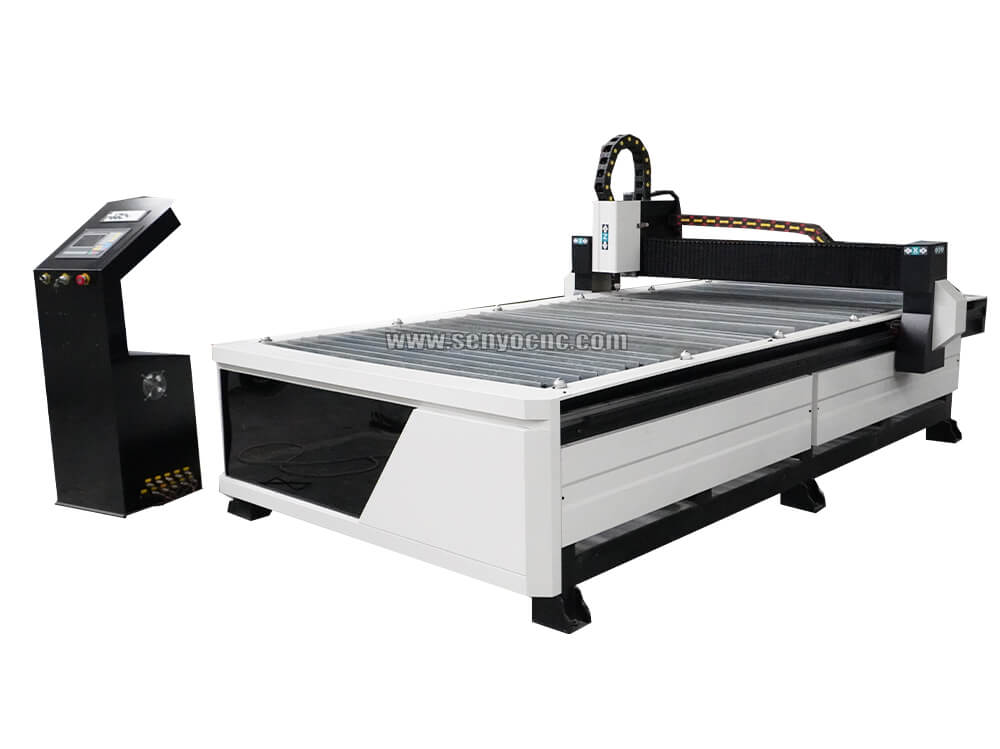
Best 4x8 CNC Plasma Cutter Table for Sale at Affordable Price
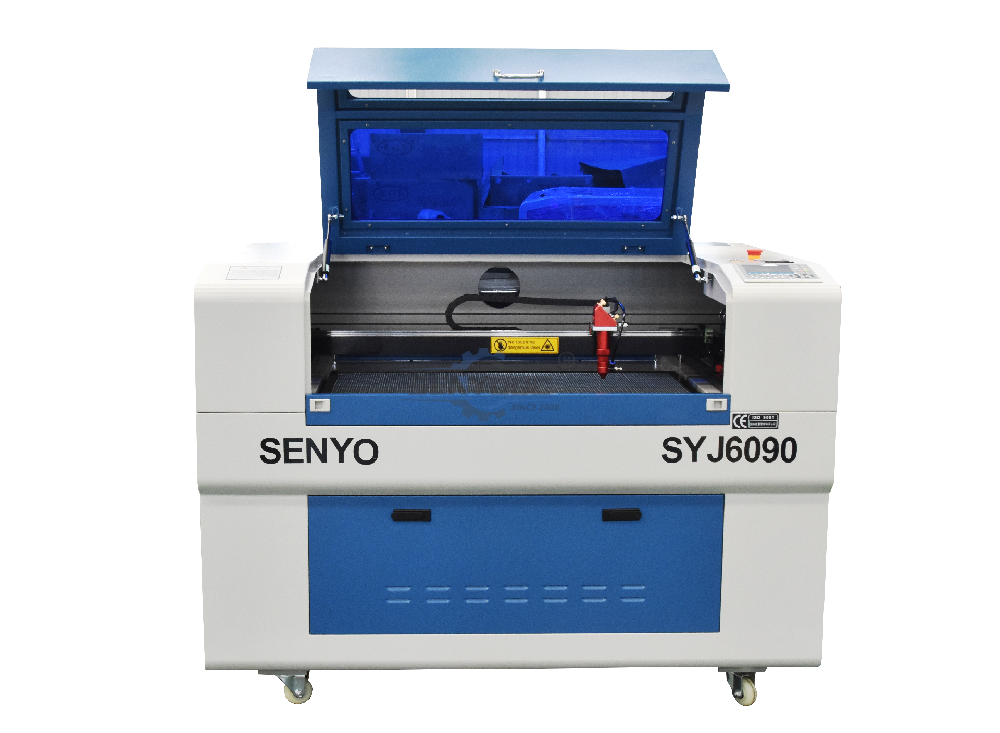
Entry Level CO2 Hobby Laser Cutter Machine for Beginners
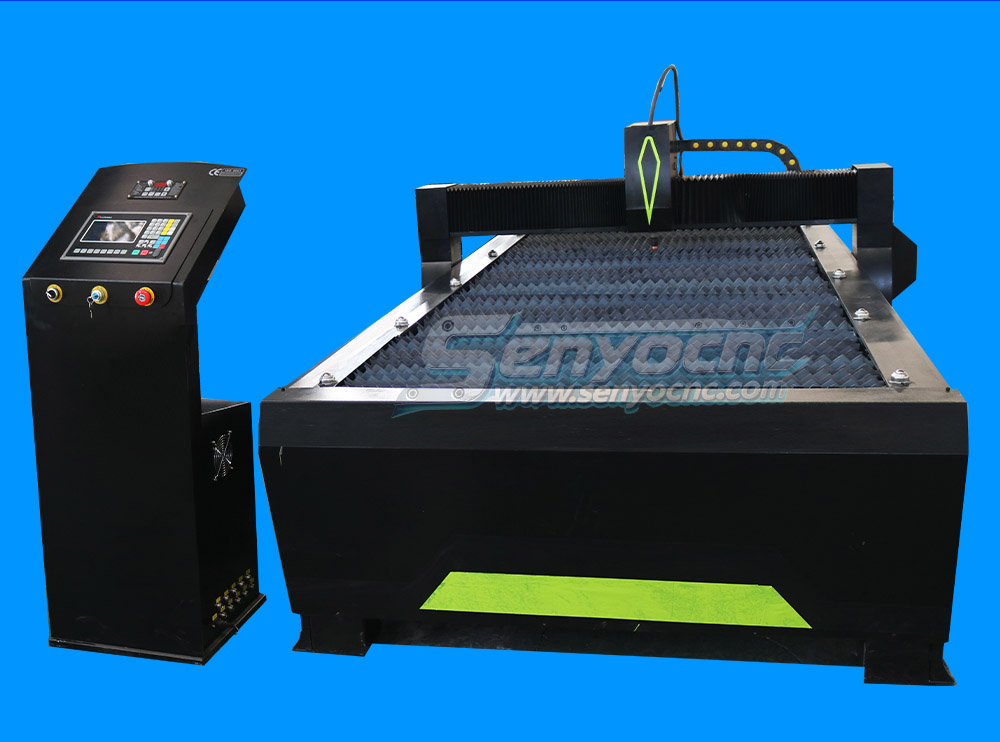
Top CNC Plasma Cutters for Automotive, Aerospace, and Manufacturing Industries
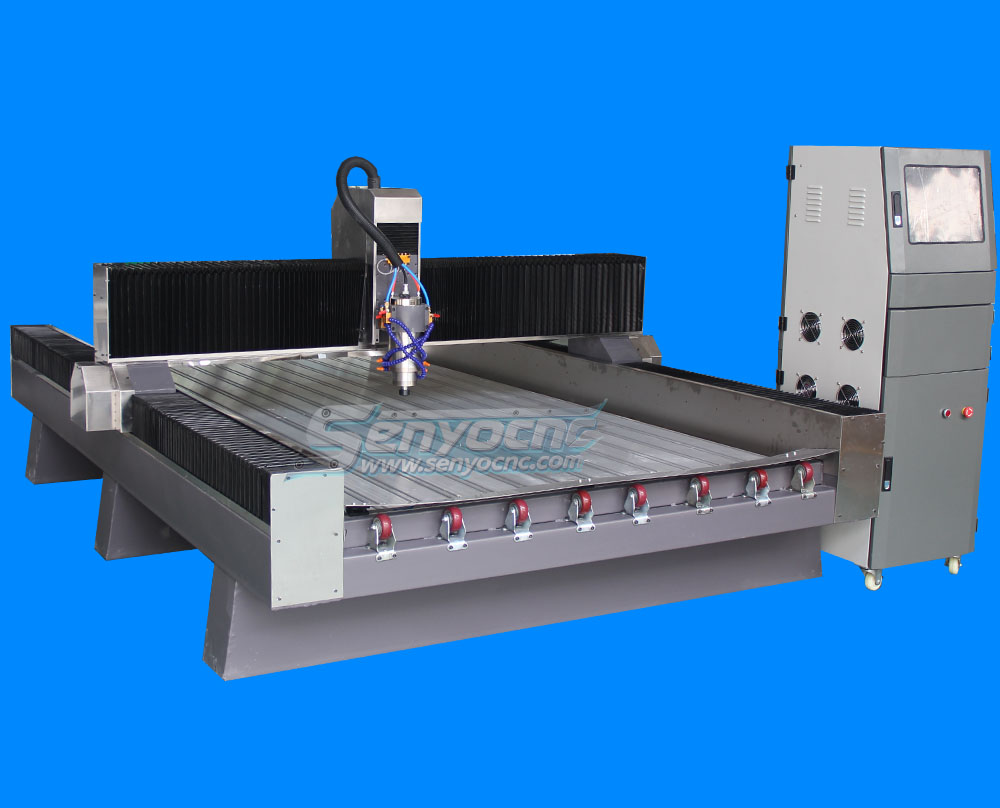
Precision Stone Engraving Machines for Memorials & Signs
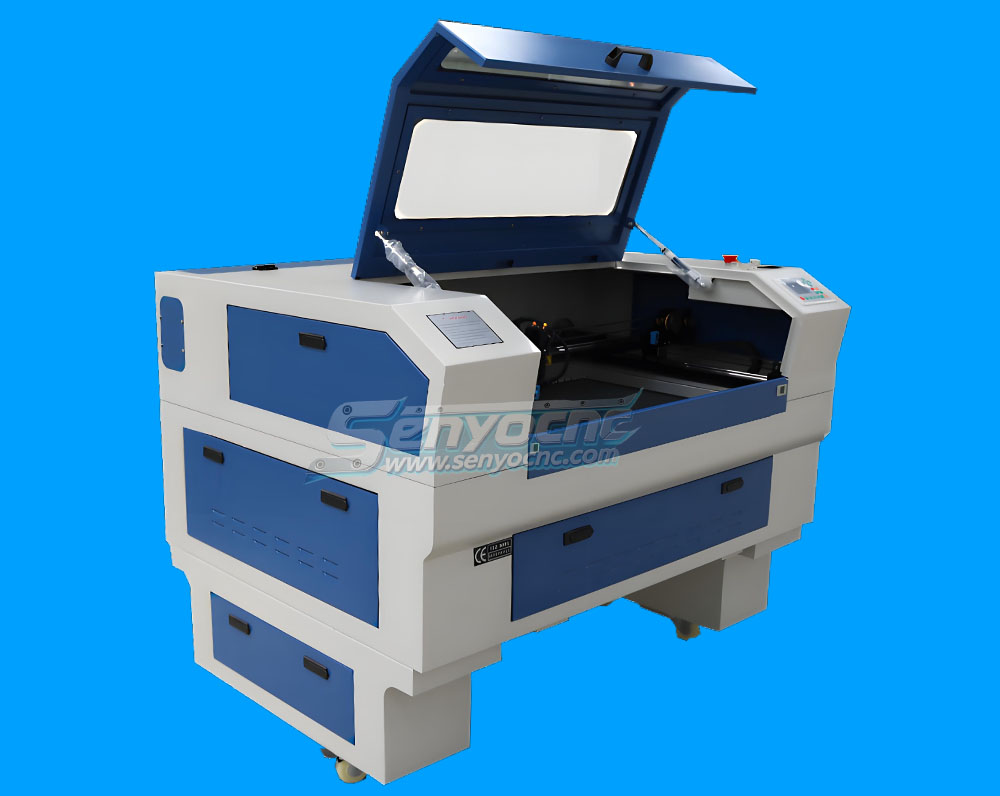
Portable Co2 9060 Laser Nonmetal Cutting Engraving Machine
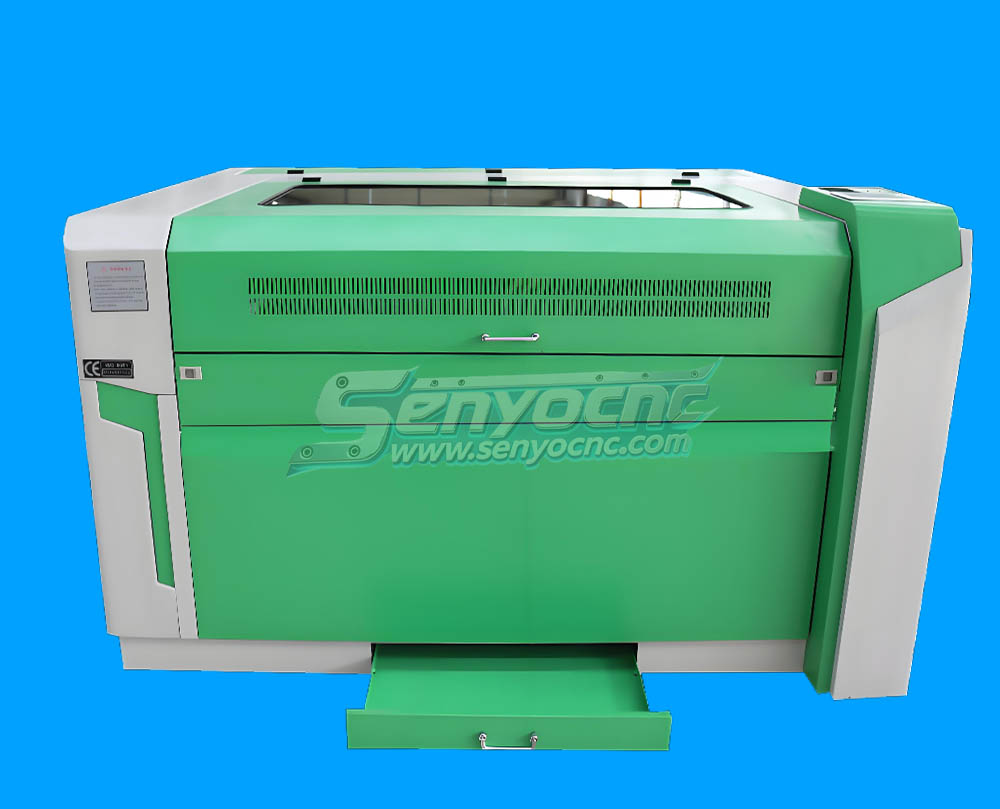
1090 CO2 Laser Machine with Ruida Controller for Non-metal Glass Acrylic Engraving Cutting
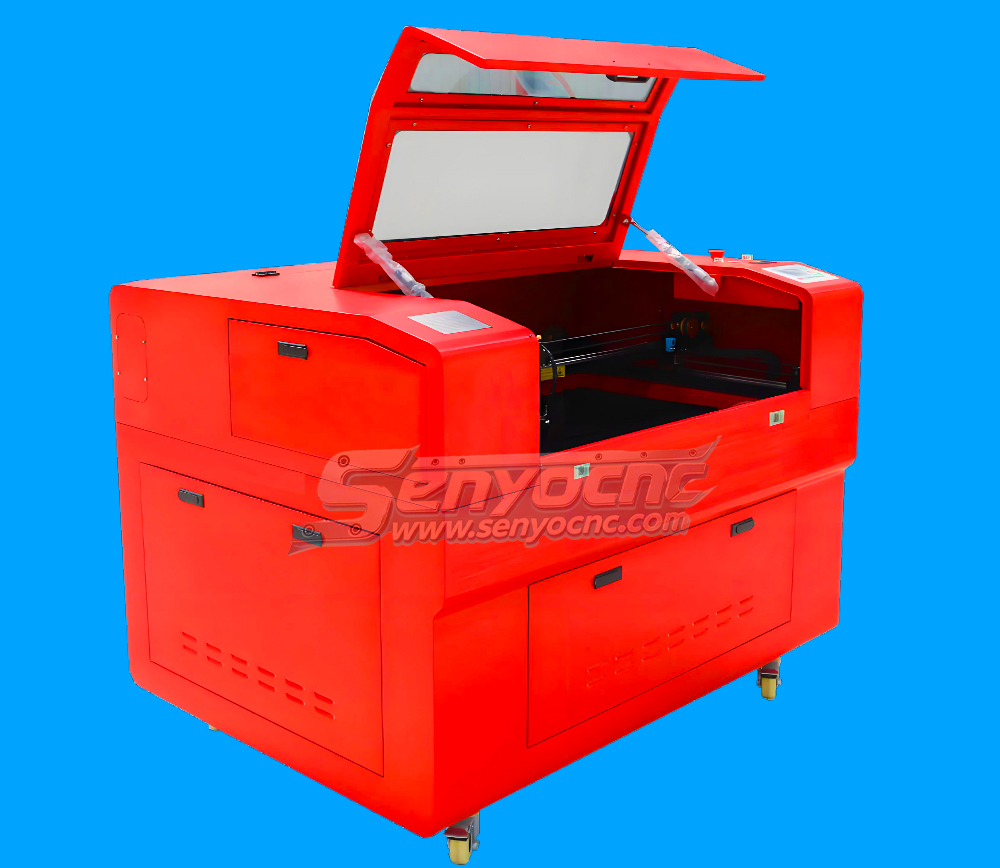
Entry Level 9060 CO2 Hobby Laser Cutter Machine for Beginners
The Apprentice Maze Puzzle Box
Box laser cutting software share
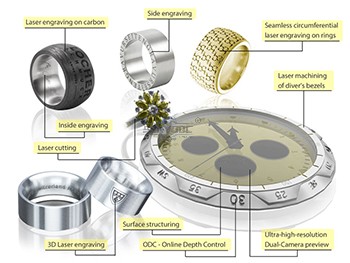
laser marking and engraving for the jewelry industry
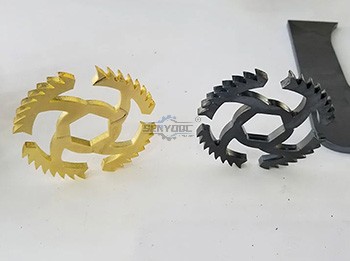
Copper cutting for fiber laser cutting machine
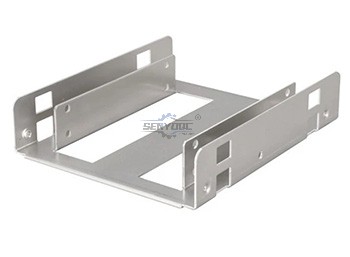
Aluminum Cutting for fiber laser cutting machine
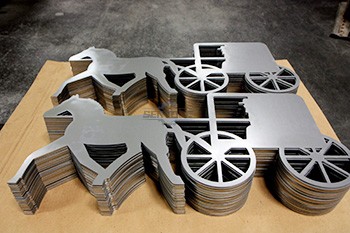
CS Laser Cutting Factors that Affect the Process
Stainless steel Fiber Laser Cutting
2d&3d wood MDF carving and cutting
3D CNC Router for Stone Relief Carving Projects
Laser Cut Adjustable Table Lamp
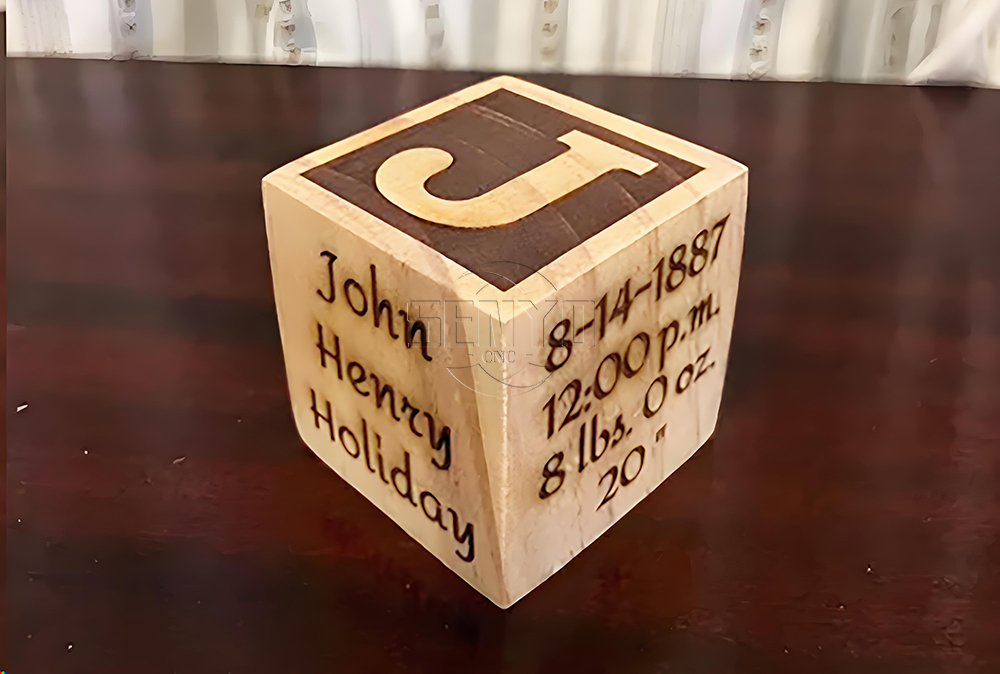
CO2 Laser cutting Baby Birth Block
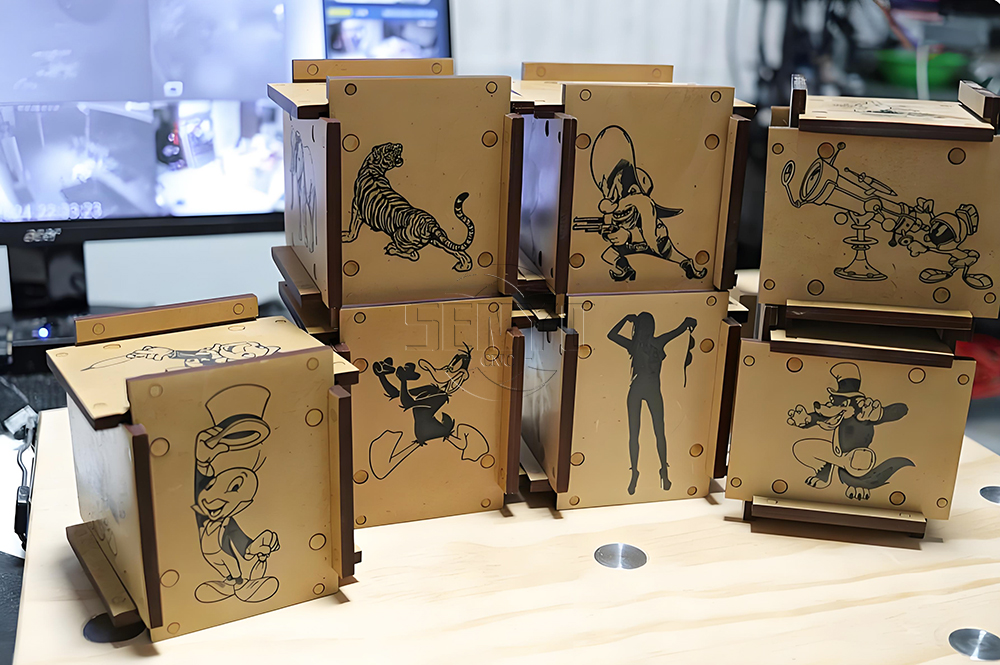
CO2 laser cutting and engraving for 6 Sided Box Puzzle
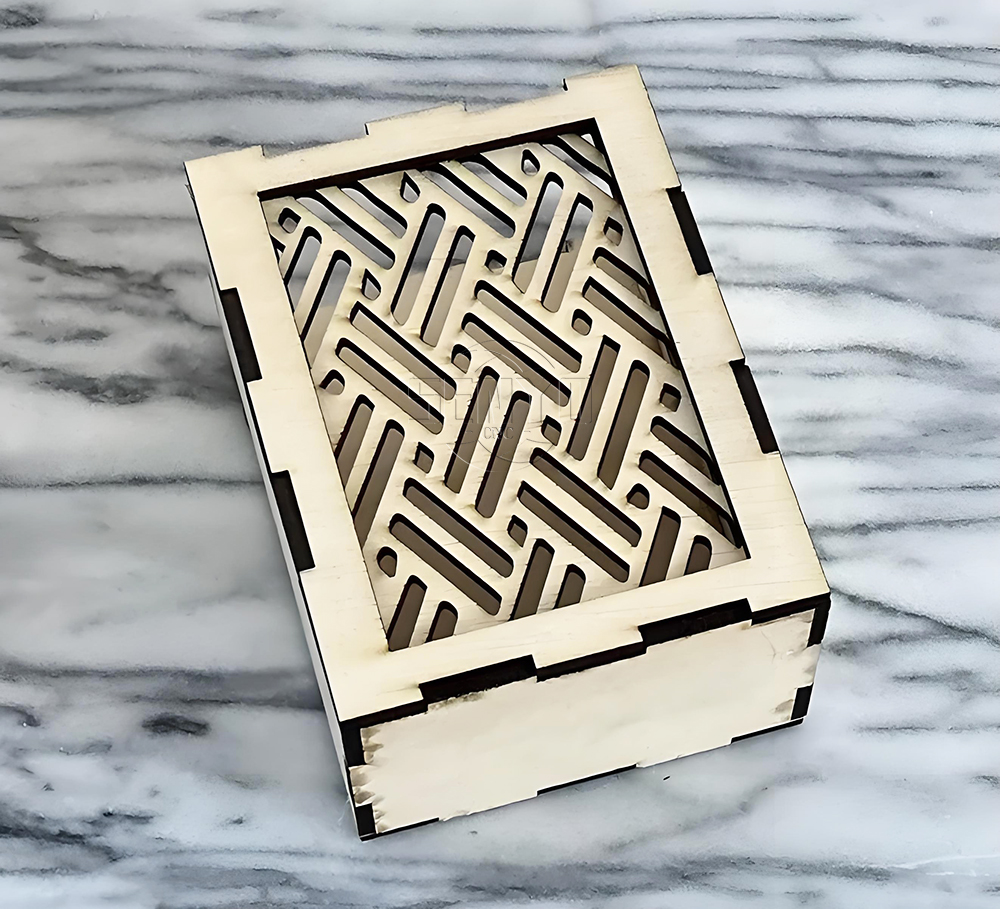
Co2 laser wood cut Illuminated Pattern Box
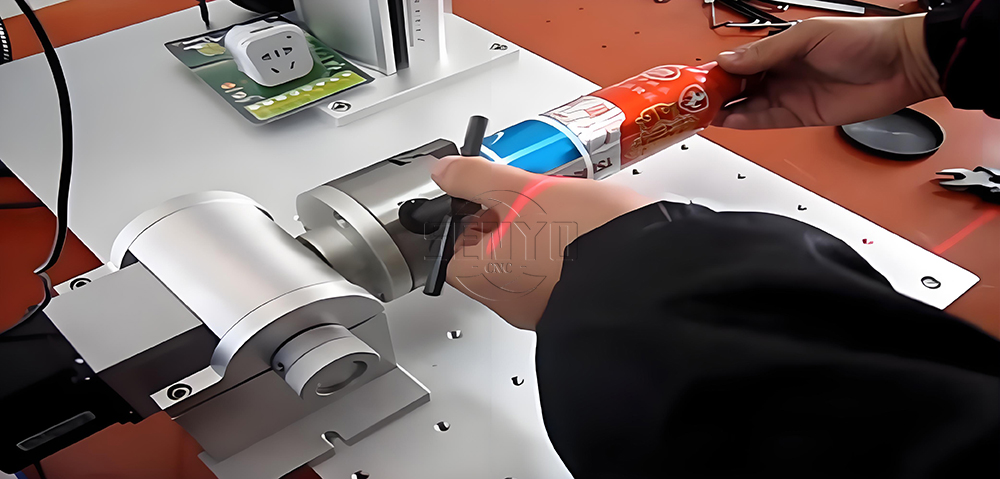
Engrave Round Parts With 50W Fiber Laser Marking Machine
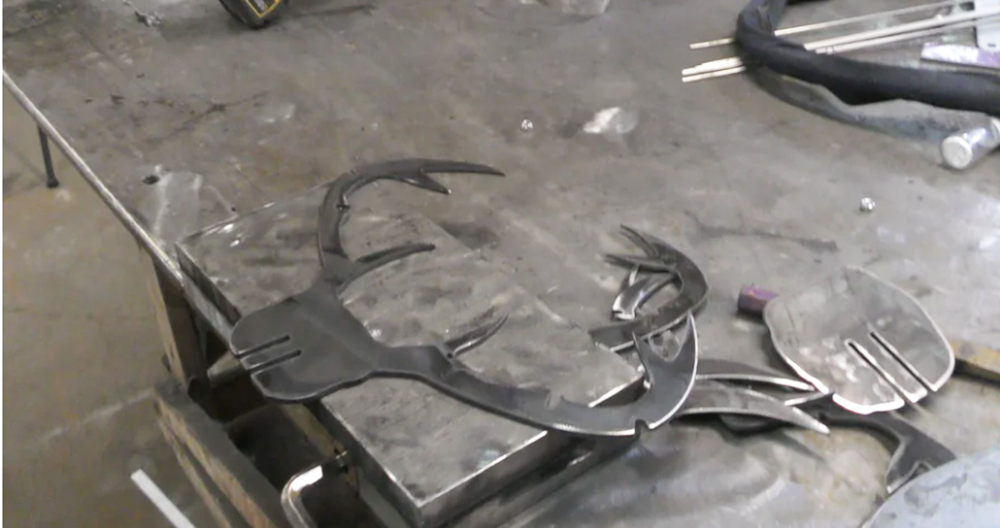
CNC Plasma Cut Deer Head
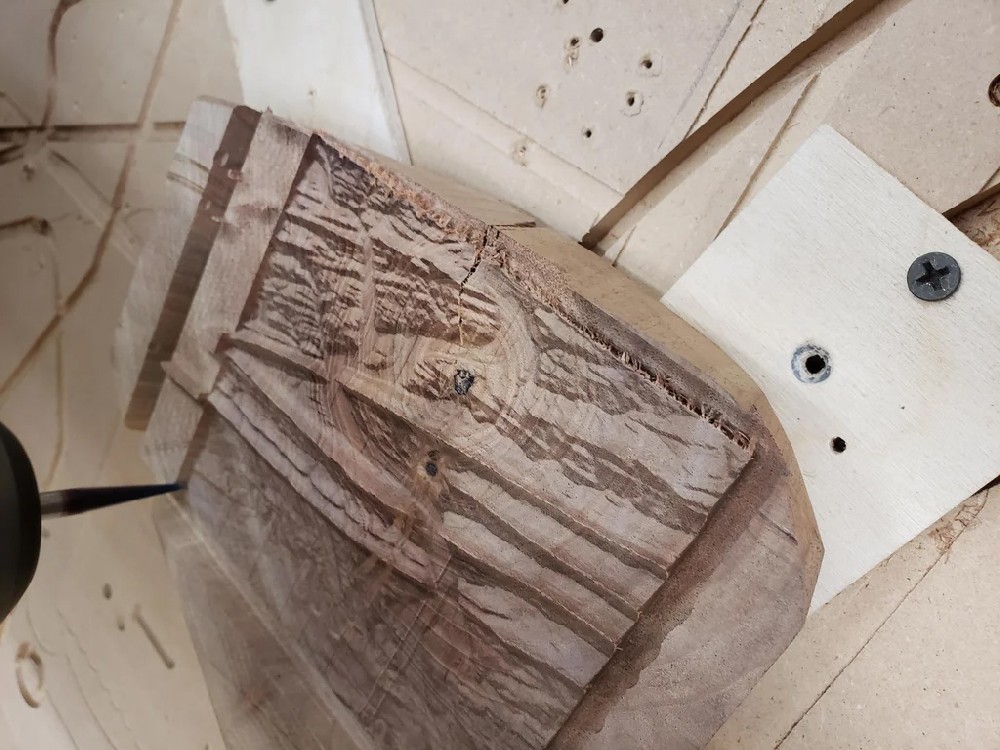
Relief Map on a CNC Router
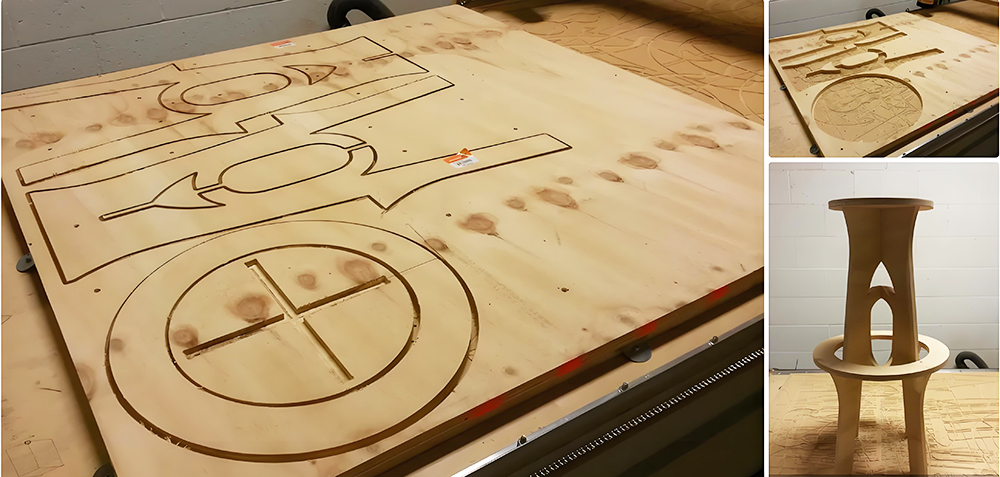
CNC Router Bar Stool
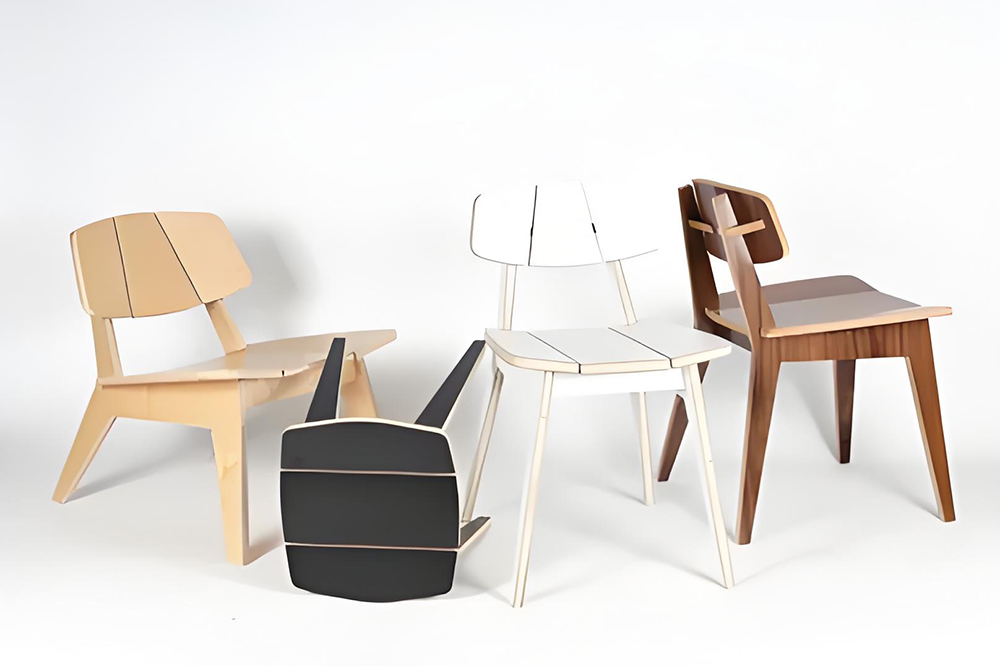
Wood Chair Made With CNC Router
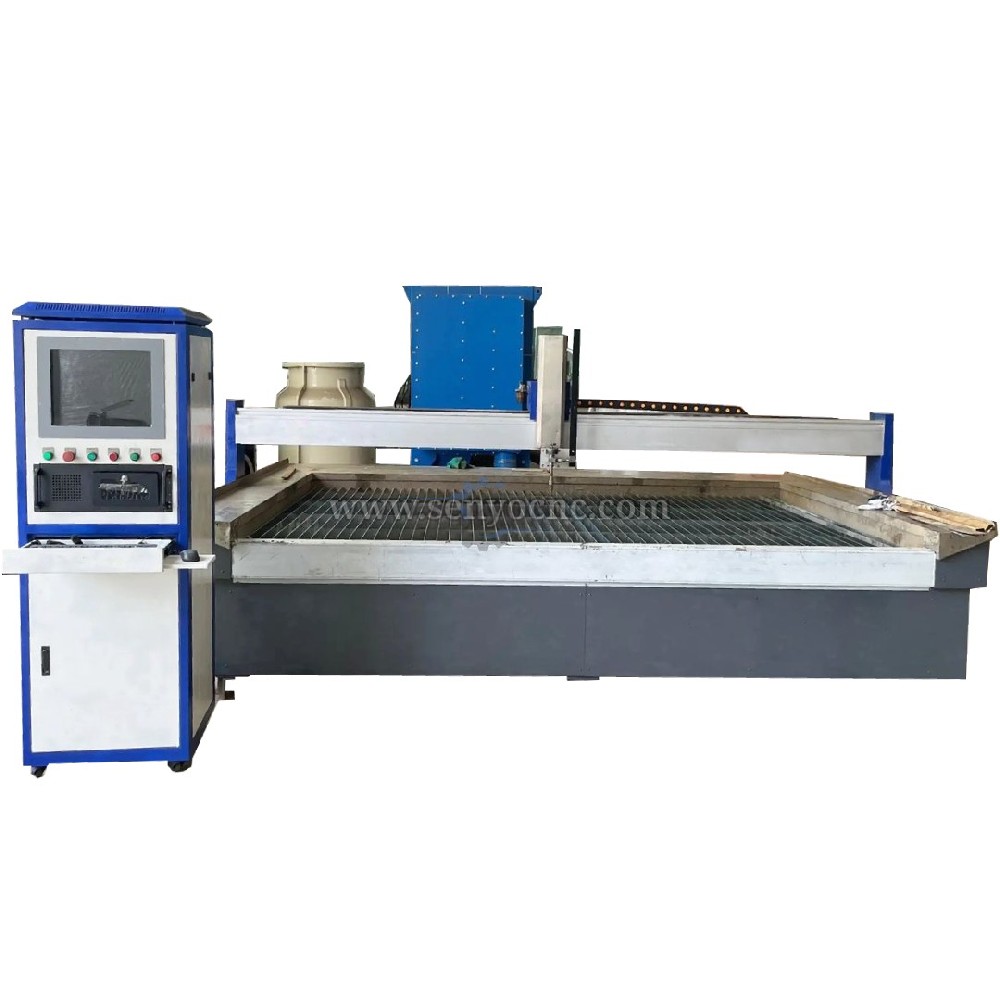
Competitive Price New Design Waterjet Machine 3 axis Cutting Machine

Typical industries that use waterjet technology
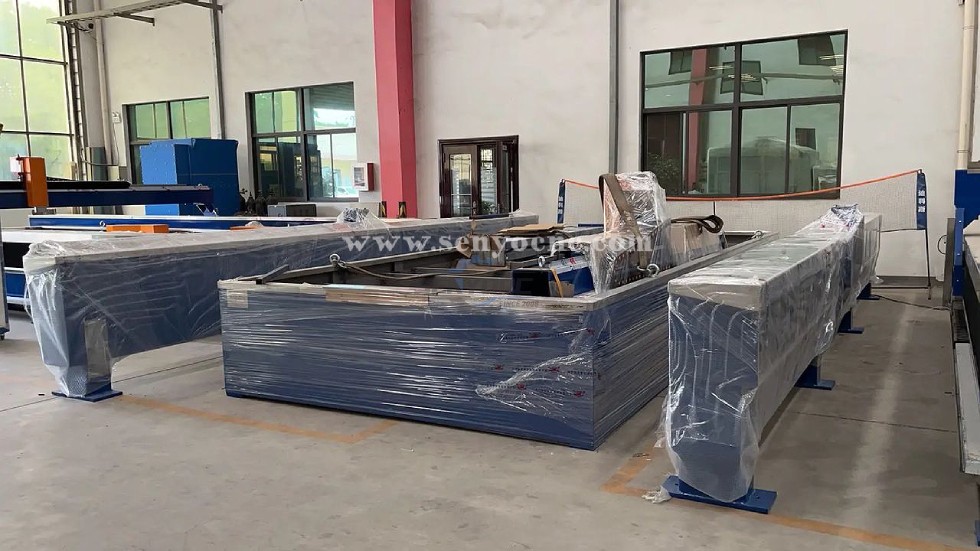
What main benefits to waterjet cutting ?
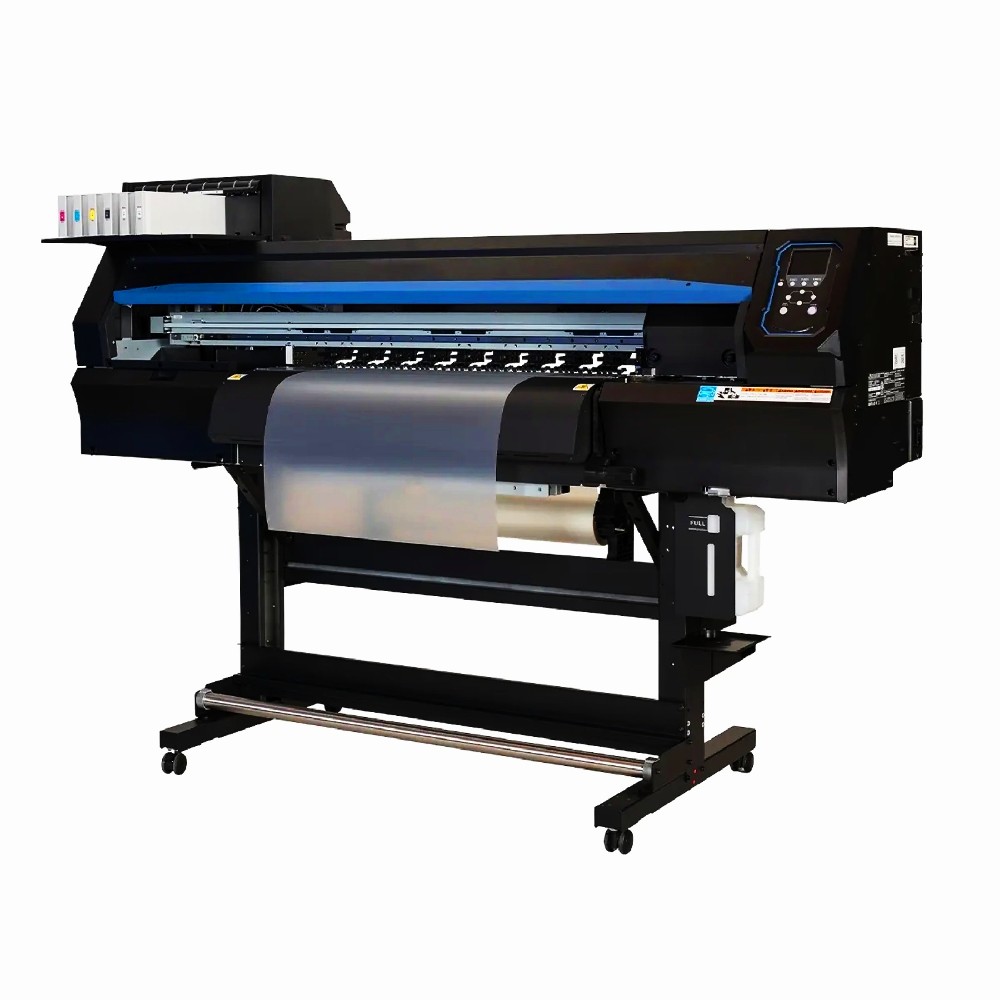
DTF Printer Machine Application
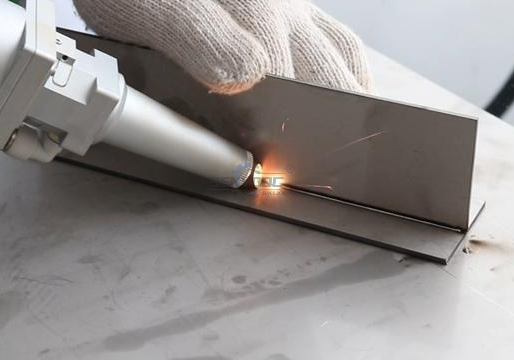
Typical fields of application
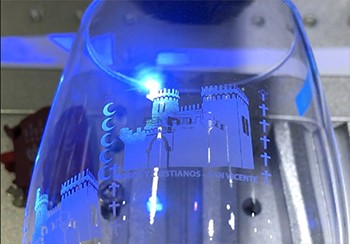
UV Laser Marking Machine For Glasses Engraving
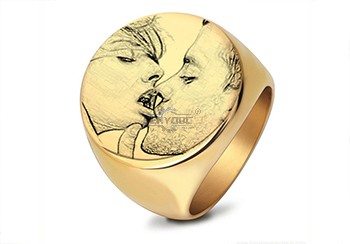
GOLD Engraving -Fiber laser marking work
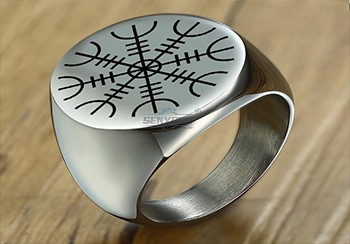
Sover Engraving -Fiber metal engraving and marking
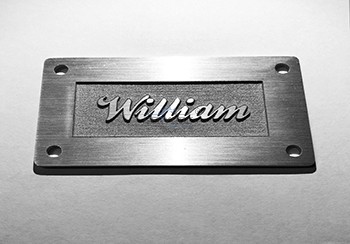
3D Marking Logo deep engraving -Fiber marking machine
MOPA Fiber Laser Marking Machine Application and Samples
Fiber Laser Engraving and Marking Machine for Metalworking Projects
Stone shaft Rotary use engrave cnc router machine

Jacob from United States
I am a beginner at CNC, I’ve never used a CNC machine before and with in a day I was carving. An awesome machine for a beginner to learn as hobbyists. I used the manual and the help video. One hour to assemble and test, very friendly and easy to use. It’s a good buy for the money. I would definitely recommend this machine to someone getting into CNCs.
Weinstein from France
I've been using CNC plasma SYP2060-300A and I am very impressed with this unit.
This unit is of higher quality, made in China. Five stars all the way!
Marble CNC Engraving Machine SYS1560 from 🇫🇷 Pierre Martin | France
Our company works with marble for interior decoration, including engraved panels, customized signs, and ornamental stone products.
We wanted to introduce more digital processing into our workshop while retaining our existing stoneworking methods.
CNC engraving gives us flexibility when preparing designs with intricate lines and repeated decorative elements.
It is particularly useful for projects where customers require personalized designs reproduced according to specific layouts.
Fiber Laser Metal Cutting Machine from 🇹🇷 Ahmet Demir | Turkey
Our metalworking company processes sheet metal for industrial enclosures, brackets, and customized fabrication projects. We were looking for equipment that could handle digital cutting layouts and different component shapes. A fiber laser cutting machine can be suitable for this work when its power, working area, and material capacity match our requirements. The machine offers additional options for processing metal parts, and we emphasize correct setup and operator training.
SYM1325 Wood CNC Router from 🇺🇸 Michael Anderson | United States
We use this CNC router for cutting plywood, MDF, and solid wood panels in our furniture workshop.
The working area is suitable for standard-sized boards, reducing the need for repeated repositioning.
The machine supports our daily production tasks, including cutting cabinet components and engraving decorative patterns.
It has become a practical addition to our workshop, and we appreciate having
technical support available when questions arise.
SYJF50W Fiber Laser Marking Machine from 🇩🇪 Lukas Weber | Germany
Our company manufactures metal components that require identification numbers, logos, and product information.
A fiber laser marking machine provides a practical solution for marking compatible metal surfaces.
We use digital layouts to prepare different marking jobs, helping us organize production more systematically.
Choosing the correct parameters for each material is important, and the machine offers useful flexibility for product identification and customized branding.
SYM1530 CNC Router 4 Axis from 🇨🇱 Diego Morales — Chile
We use the machine for wooden prototypes, decorative parts and 3D models. The 4-axis capability allows us to create shapes that were difficult to produce before.
SYM1325 CNC ATC Router from 🇳🇱 Pieter Jansen — Netherlands
Our production includes cabinet doors, MDF panels and solid wood components. The automatic tool changer makes repeated production much more convenient.
SYJ1325H CO2 Laser Cutter from 🇵🇹 Tiago Costa — Portugal
We use the laser mainly for acrylic letters and display products. The cutting edges are smooth and the machine is easy for our operators to handle.
SYS1530 CNC Marble Engraving Machine from 🇬🇷 Nikos Papadopoulos — Greece
We purchased the machine for marble signs and personalized monuments. Portrait engraving and lettering are much faster compared with our previous manual process.


 manager@senyocnc.com
 SENYOCNC
 +86 1525 3141 880
 +86 1525 3141 880
 2061579344
